What This Page Covers
Practical nutrition guidance for weight loss using Nigerian foods while on GLP-1 treatment, including meal planning and food choices.
One-Minute Summary
Focus on protein-rich Nigerian foods (beans, fish, lean meats), plenty of vegetables, and controlled portions of staples like garri and rice. Eat smaller, more frequent meals. Avoid very oily foods and large portions. Stay hydrated with water.
Nigerian Food Groups for Weight Loss
Proteins (Eat More)
Excellent choices:
- Beans (all varieties)
- Fish (especially grilled or steamed)
- Lean chicken and turkey
- Eggs
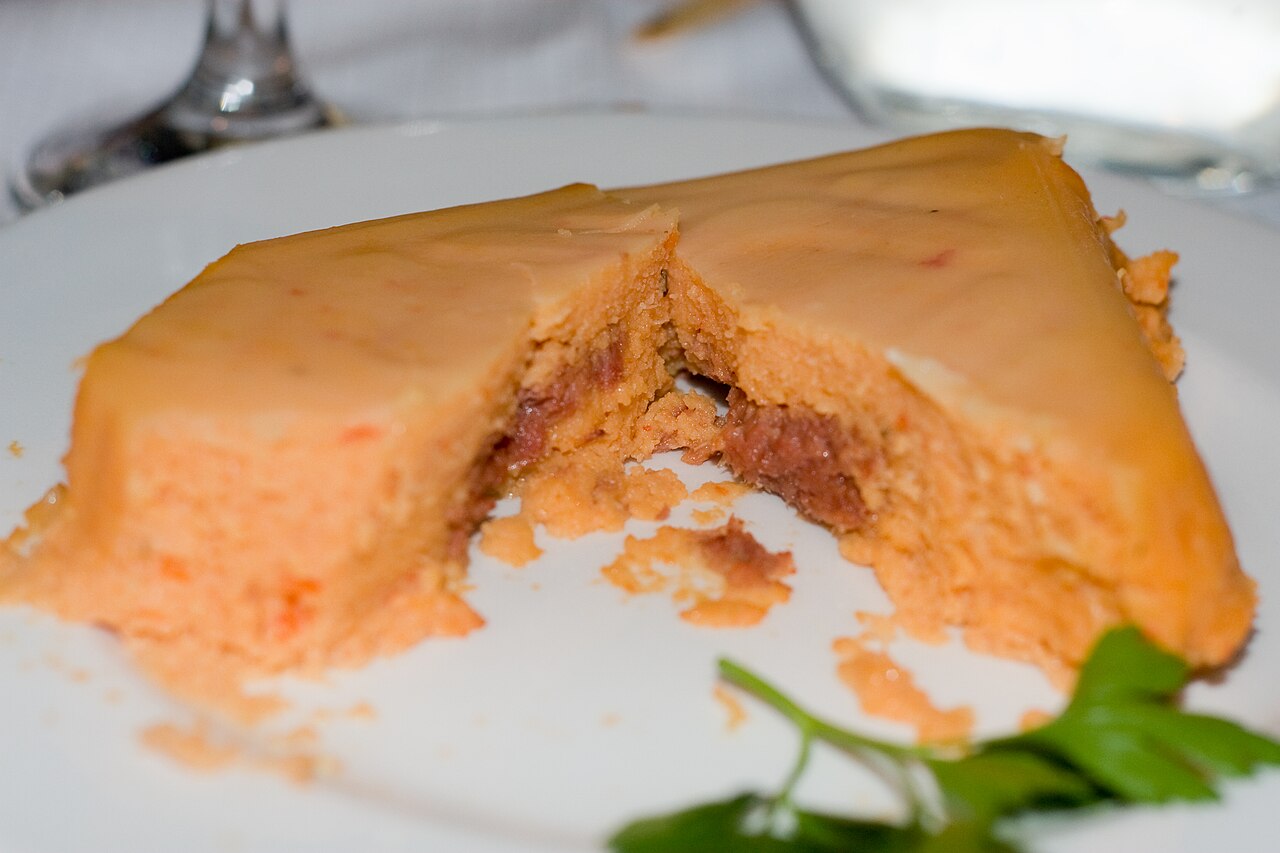
- Moi moi (steamed bean cake)
- Tofu and soy products
Why they help:
- Keep you full longer
- Maintain muscle mass during weight loss
- Stabilize blood sugar
- Support metabolism
Vegetables (Eat Plenty)
Best options:
- Leafy greens (ugu, spinach, bitter leaf)
- Okra soup (with minimal oil)
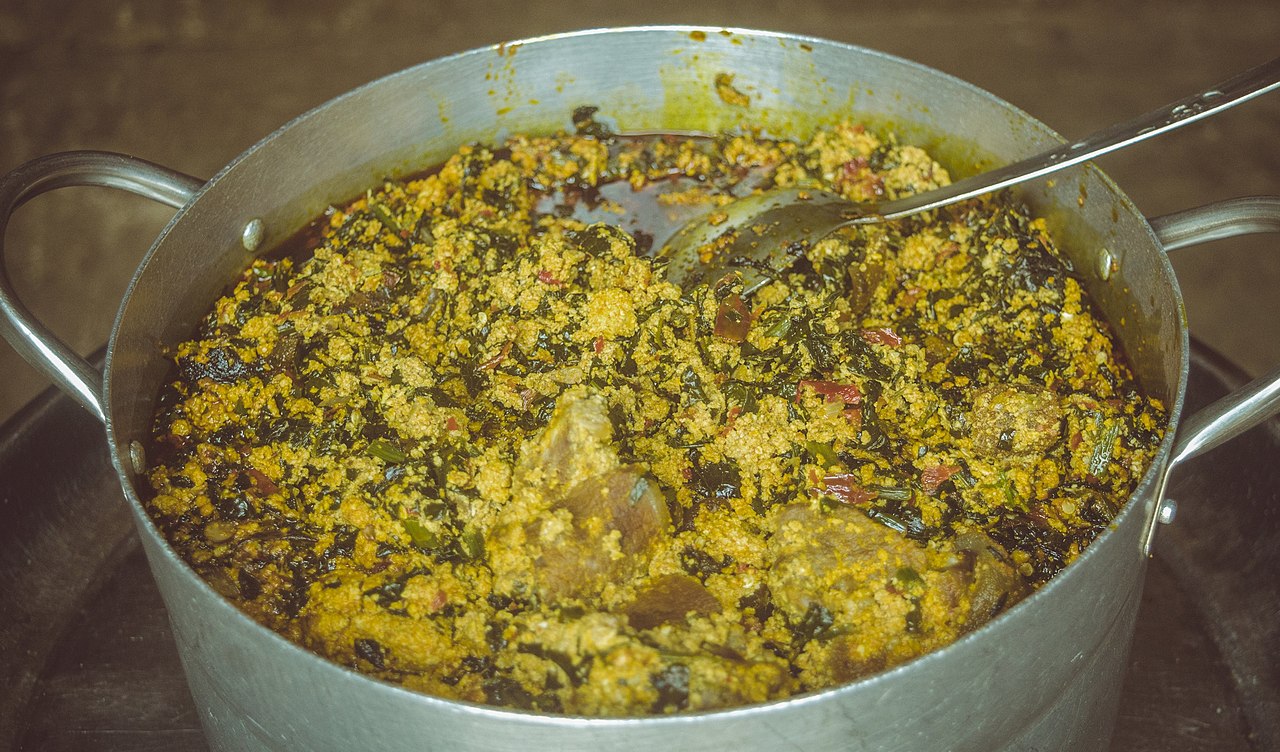
- Egusi (with less oil and more vegetables)
- Vegetable salads
- Tomatoes, onions, peppers
- Cucumber, cabbage
Preparation tips:
- Steam or grill when possible
- Use minimal oil
- Add vegetables to every meal
- Fill half your plate with vegetables
Complex Carbs (Control Portions)
Choose wisely:
- Brown rice (small portions)
- Whole wheat pasta/bread
- Oats and millet
- Sweet potatoes
- Yam (moderate portions)
- Plantain (moderate portions)
Portion guidance:
- Limit to 1/4 of your plate
- Measure portions initially
- Avoid second helpings
- Choose whole grain options
Healthy Fats (Use Sparingly)
Good choices:
- Avocado
- Nuts and seeds (small amounts)
- Olive oil (minimal)
- Fish oil
Limit:
- Palm oil
- Fried foods
- Excessive groundnut oil
- Coconut oil in large amounts
Meal Planning with Nigerian Foods
Breakfast Options
Protein-rich choices:
- Moi moi with steamed vegetables
- Beans porridge (less oil)
- Egg stew with whole wheat bread
- Oatmeal with nuts and seeds
Portion control:
- Use smaller bowls
- Measure portions initially
- Include protein with every breakfast
Lunch Options
Balanced meals:
- Grilled fish with vegetables and small garri
- Bean soup with brown rice
- Chicken stew with plenty of vegetables
- Vegetable salad with lean protein
Preparation tips:
- Grill instead of fry
- Use minimal oil in cooking
- Load up on vegetables
- Control staple portions
Dinner Options
Lighter meals:
- Vegetable soup with small portions
- Steamed fish with vegetables
- Bean-based dishes
- Salads with lean protein
Timing considerations:
- Eat 2-3 hours before bed
- Keep portions smaller than lunch
- Focus on vegetables and protein
Traditional Nigerian Foods Modified
Soup Modifications
Egusi Soup:
- Use less groundnut oil
- Add more vegetables (spinach, pumpkin leaves)
- Use lean meat or fish
- Reduce egusi quantity slightly
Okra Soup:
- Minimal palm oil
- Plenty of okra and vegetables
- Lean protein sources
- Use fish instead of fatty meats
Bitter Leaf Soup:
- Traditional preparation is already healthy
- Control meat portions
- Use lean protein
- Include plenty of vegetables
Staple Food Modifications
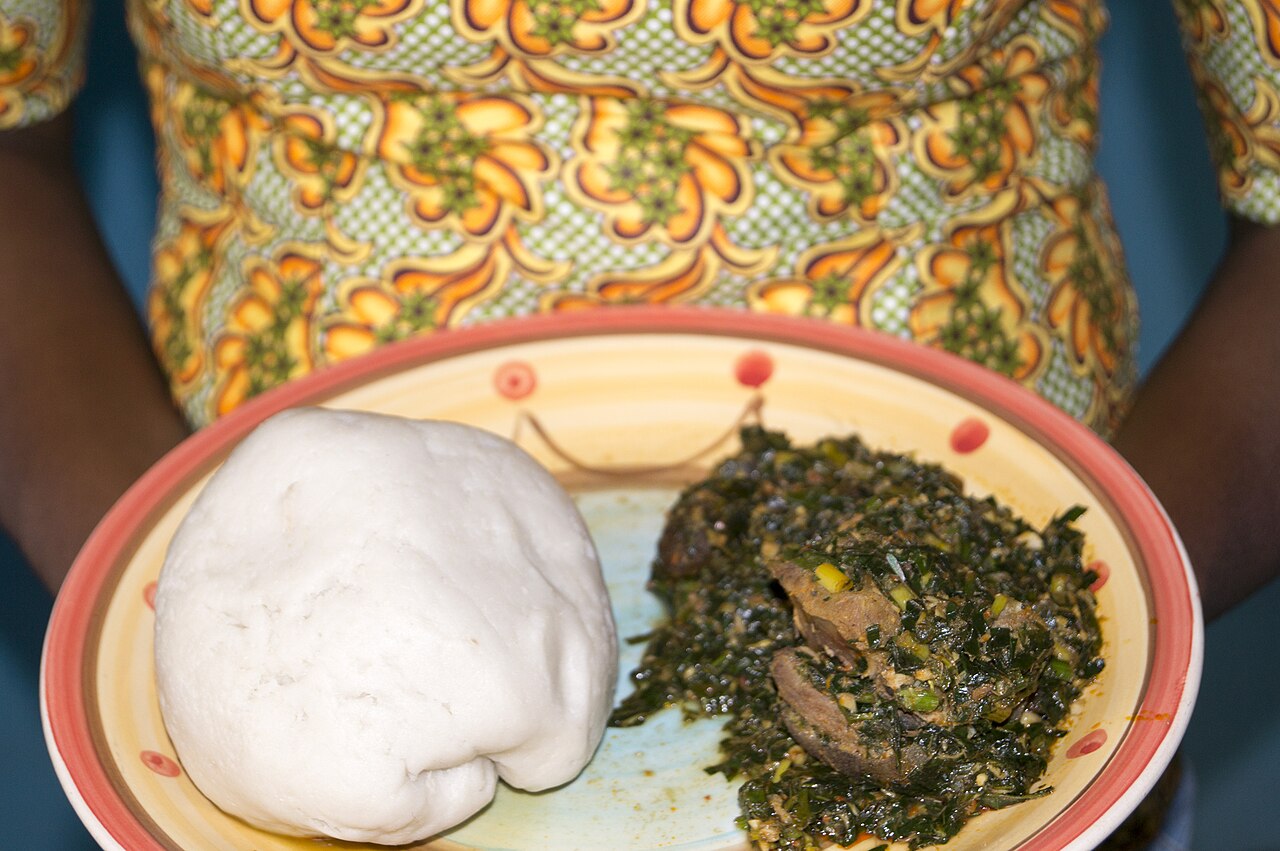
Garri/Swallow:
- Reduce portion size significantly
- Choose with plenty of soup
- Focus on vegetable-rich soups
- Avoid eating late at night
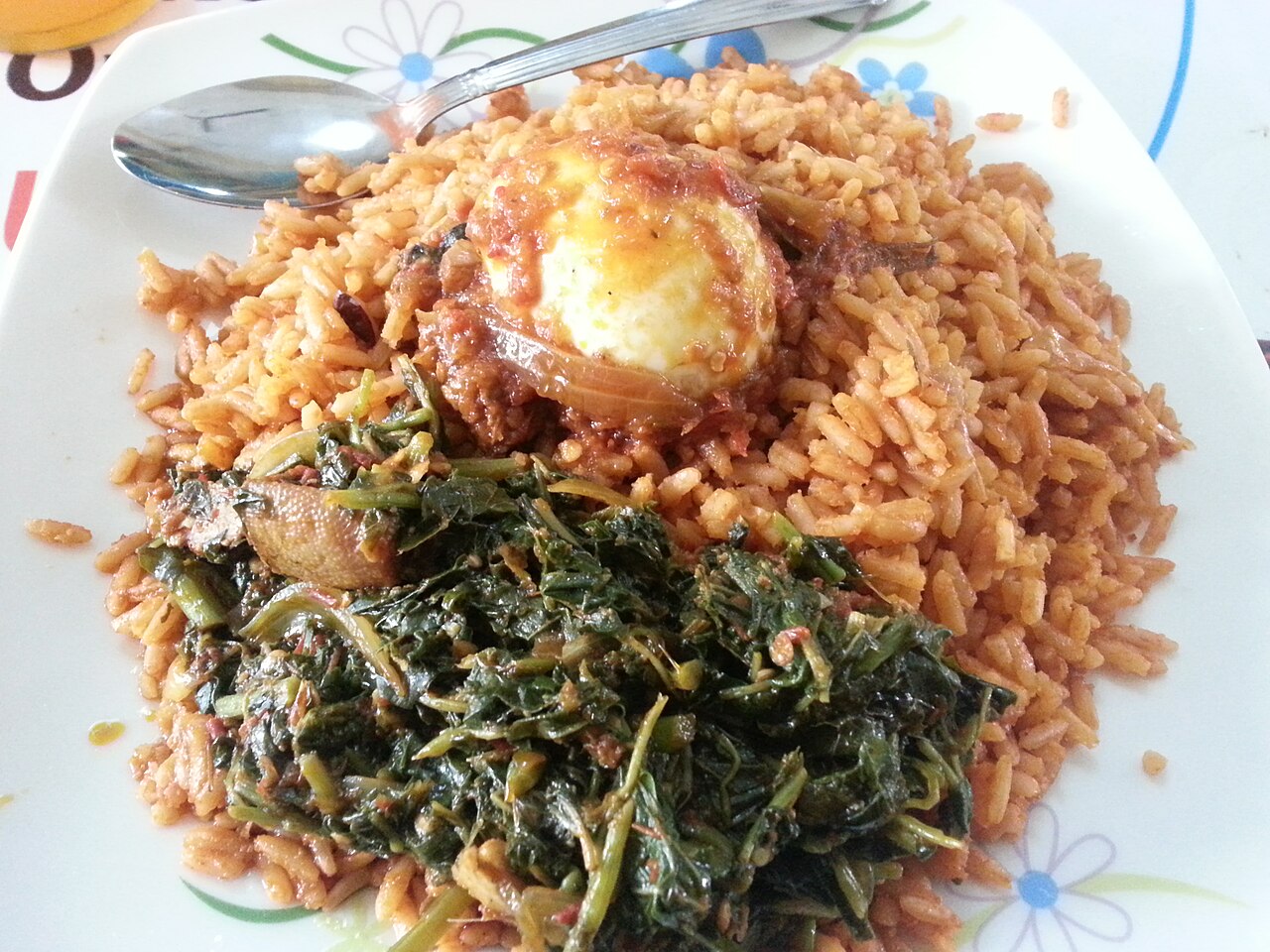
Rice Dishes:
- Use brown rice when possible
- Control portions to 1/2 cup cooked
- Load up on vegetable accompaniments
- Avoid fried rice preparations
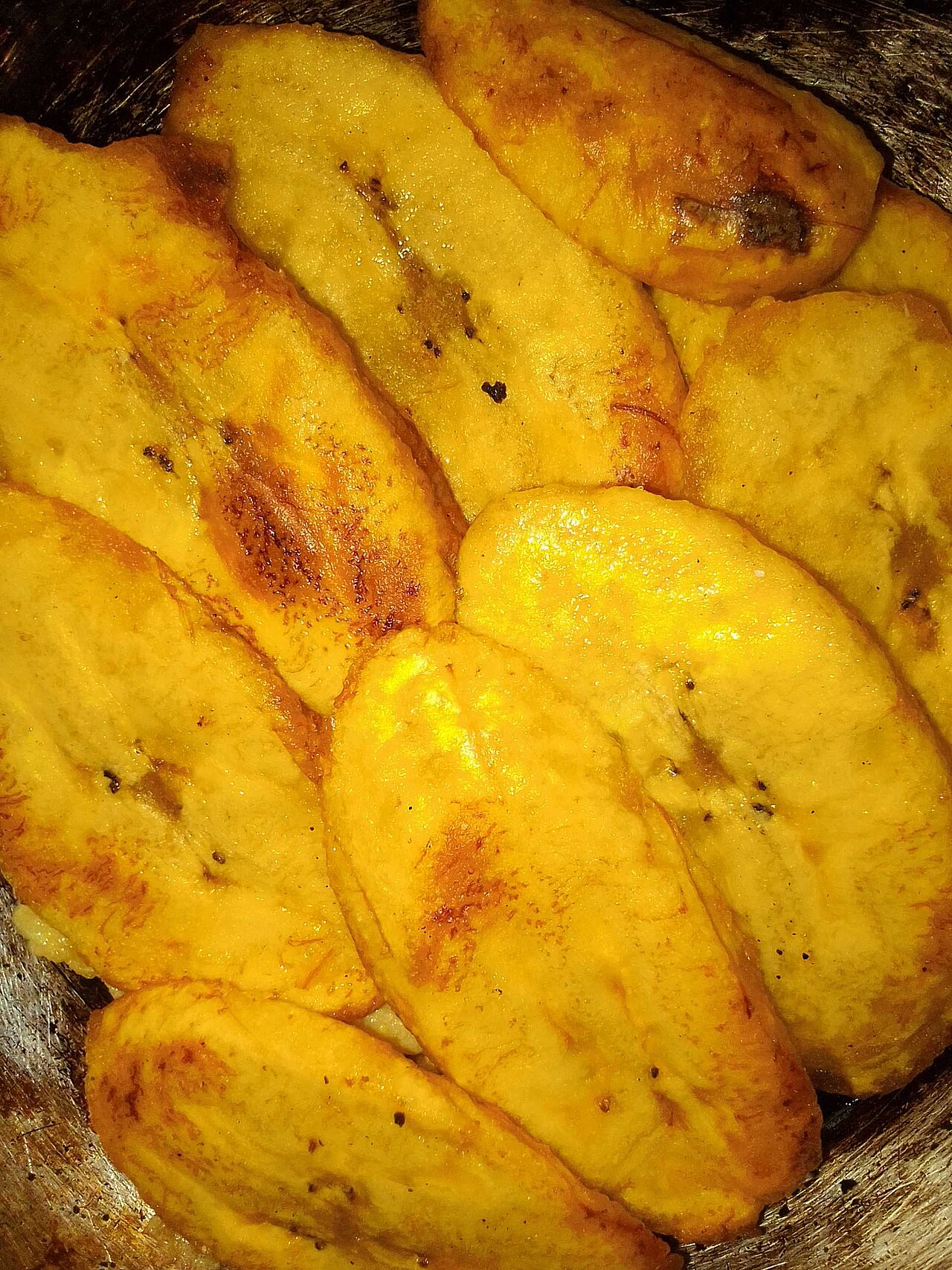
Yam/Plantain:
- Boil or grill instead of fry
- Control portions (1/2 cup cooked)
- Pair with plenty of vegetables
- Avoid ripe plantain in large amounts
Eating Strategies While on Treatment
Meal Timing
Eat smaller, more frequent meals:
- 3 main meals + 2 small snacks
- Don't skip meals
- Eat at consistent times
- Listen to your body's fullness signals
Portion Control
Practical tips:
- Use smaller plates
- Measure portions initially
- Eat slowly and mindfully
- Stop when you feel full (don't force it)
Hydration
Stay well hydrated:
- 6-8 glasses of water daily
- Limit sugary drinks
- Herbal teas are good options
- Monitor for dehydration
Foods to Limit or Avoid
High-Oil Foods
- Fried foods (fried plantain, fried yam)
- Oily soups (excessive palm oil)
- Fried meat and fish
- Pastries and baked goods
Large Portions of Staples
- Big servings of garri, rice, yam
- Multiple servings of swallow foods
- Large portions of starchy foods
- Second helpings of main dishes
Sugary Foods
- Sugary drinks and juices
- Excessive fruits (limit to 2-3 servings)
- Sweets and desserts
- Refined carbohydrates
Sample Daily Meal Plan
Early Morning
- Water with lemon
- Optional: Small fruit serving
Breakfast (7-8 AM)
- Moi moi with steamed vegetables
- OR: Beans porridge (less oil)
- OR: Egg stew with 1 slice whole wheat bread
Mid-Morning Snack (10 AM)
- Handful of nuts
- OR: Small fruit serving
- OR: Vegetable sticks
Lunch (1-2 PM)
- Grilled fish with plenty of vegetables
- Small portion of brown rice or garri
- OR: Vegetable soup with lean protein
Afternoon Snack (4 PM)
- Greek yogurt (plain)
- OR: Vegetable salad
- OR: Small fruit serving
Dinner (6-7 PM)
- Light vegetable soup
- Steamed fish or chicken
- Plenty of cooked vegetables
- Minimal or no staples
Shopping and Preparation Tips
Grocery Shopping
Focus on:
- Fresh vegetables and fruits
- Lean proteins (fish, chicken, beans)
- Whole grains
- Healthy cooking oils (olive oil)
Limit:
- Processed foods
- Sugary items
- Excessive oils
- Fried foods
Meal Preparation
Batch cooking:
- Prepare vegetables in advance
- Cook beans in batches
- Prepare lean proteins ahead
- Portion meals for the week
Healthy cooking methods:
- Grill instead of fry
- Steam vegetables
- Use minimal oil
- Bake or roast instead of fry
Eating Out Guidelines
Restaurant Choices
Better options:
- Grilled fish or chicken
- Vegetable-based soups
- Salads with lean protein
- Steamed dishes
Ask for:
- Minimal oil preparation
- Extra vegetables
- Sauce on the side
- Smaller portions
Avoid
- Fried foods
- Oily soups
- Large portions
- All-you-can-eat options
Medical Notice
This information is educational and does not replace medical advice. For personalized nutrition advice, consult a registered dietitian or qualified healthcare professional.