Safety

Your safety is our priority

Everything we do is designed around safer Tirzepatide treatment, from assessment and dose progression to cold-chain delivery and side-effect support.

Medication safety

What are GLP-1 medications?

Tirzepatide is an injectable medication originally developed for Type 2 diabetes that has also been shown to produce significant weight loss in clinical trials.

These medications work by mimicking natural hormones that regulate appetite, blood sugar, and digestion. They have been extensively studied in large-scale clinical trials involving tens of thousands of participants.

01
Appetite regulation

GLP-1 medications act on receptors in the brain that control hunger and satiety, reducing appetite and food cravings. Patients typically experience a natural reduction in caloric intake without feeling deprived.

02
Gastric emptying

These medications slow the rate at which food leaves the stomach, helping you feel full longer after meals. This contributes to reduced portion sizes and more mindful eating patterns.

03
Clinical evidence

The SURMOUNT clinical trial programme showed that tirzepatide produced up to 22.5% body weight reduction over 72 weeks. These are among the most effective weight treatments ever studied.

Side effects

Understanding potential side effects

Like all medications, GLP-1 receptor agonists may cause side effects. Most are mild to moderate and tend to improve as your body adjusts, especially during the initial titration period.

Common

Common side effects

These affect a significant proportion of patients, typically during the first few weeks. They usually improve with time and dose adjustment.

  • Nausea (most common, usually temporary)
  • Reduced appetite
  • Diarrhoea or constipation
  • Abdominal discomfort or bloating
  • Headache
  • Fatigue
  • Injection site reactions (redness, mild soreness)
Rare but serious

Rare side effects

These are uncommon but require immediate medical attention. Contact us or go to your nearest hospital if you experience any of these.

  • Pancreatitis (severe abdominal pain radiating to the back)
  • Gallbladder problems (pain in upper right abdomen)
  • Severe allergic reactions (swelling, difficulty breathing)
  • Thyroid tumours (swelling or lump in neck)
  • Hypoglycaemia (in patients also taking insulin or sulfonylureas)
  • Kidney problems (changes in urination)
When to seek immediate help

If you experience severe abdominal pain, persistent vomiting, difficulty breathing, swelling of the face or throat, or any symptoms that feel like an emergency, stop your medication and seek immediate medical attention. Contact Second Cure support and call 112 or go to your nearest hospital.

Our protocols

How we keep you safe

Safety is not a feature of our service. It is the foundation of everything we do.
💊
Structured assessment

Every order starts with an assessment that screens for contraindications, medication interactions, BMI fit, and previous GLP-1 experience.

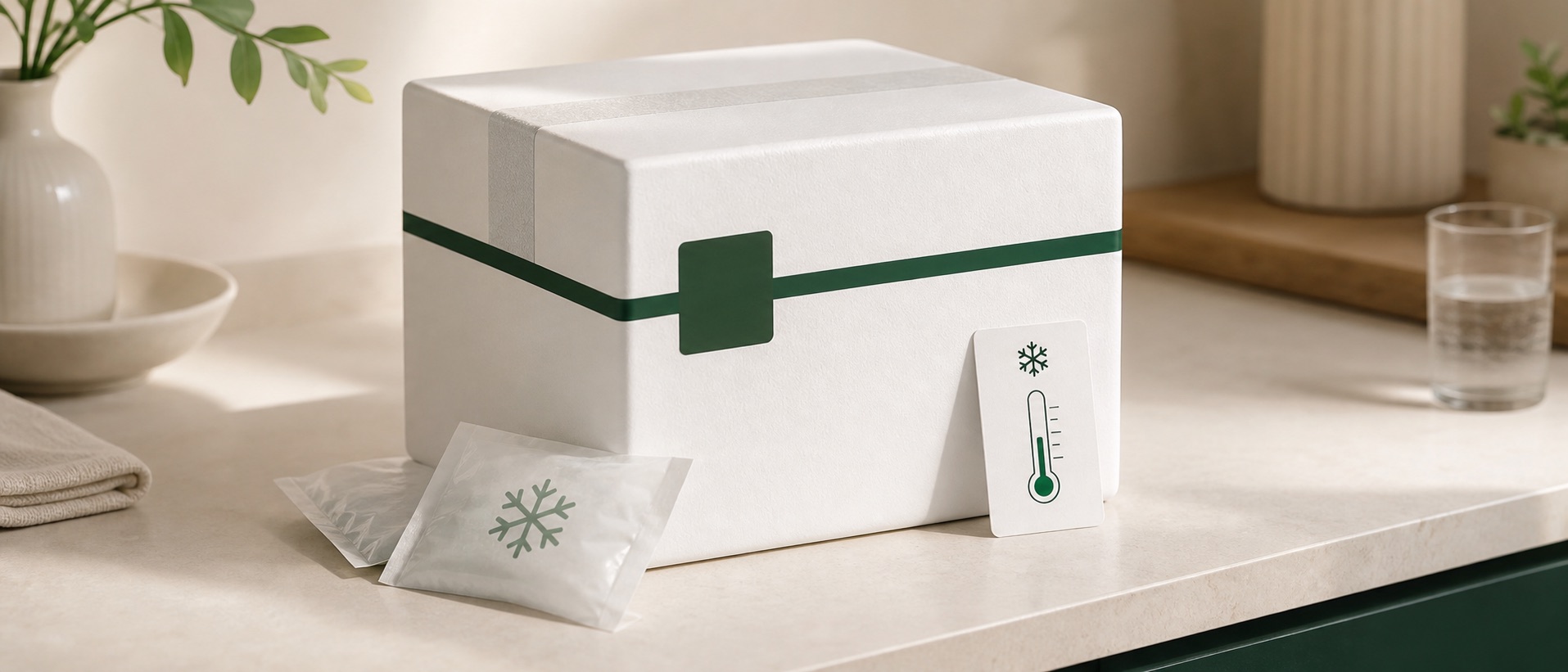
Cold-chain monitoring

Tirzepatide should be handled cold. Our delivery flow is built around refrigerated handling from dispatch to drop-off.

🩺
Dose protection

New patients start low. Higher doses stay gated until the lower-dose path has been completed and reviewed.

🚨
Side-effect follow-up

Reported side effects and missed check-ins are surfaced quickly so the right follow-up can happen before small issues become bigger ones.

Contraindications

Who should not take GLP-1 medications

Tirzepatide is not suitable for everyone. The following conditions are major stop signs or reasons for extra review before treatment moves forward.

Pregnancy or planning to become pregnant

GLP-1 medications are not approved for use during pregnancy or breastfeeding. You must stop treatment at least 2 months before a planned pregnancy.

Type 1 diabetes

GLP-1 receptor agonists are not indicated for Type 1 diabetes and may cause dangerous hypoglycaemia when combined with insulin in this population.

History of pancreatitis

Patients with a personal history of pancreatitis should not use GLP-1 medications due to the potential risk of recurrence.

Medullary thyroid carcinoma or MEN2

GLP-1 medications are contraindicated in patients with a personal or family history of medullary thyroid carcinoma (MTC) or Multiple Endocrine Neoplasia syndrome type 2 (MEN2).

Active eating disorders

Patients with active anorexia nervosa, bulimia, or binge eating disorder require specialist psychiatric and nutritional support before considering GLP-1 treatment.

Severe gastrointestinal disease

Patients with gastroparesis or severe inflammatory bowel disease may experience worsened symptoms with GLP-1 medications.

Emergency information

What to do if you experience severe side effects

While severe side effects are rare, it is important to know what to do. Your safety is our first priority.

Emergency contacts

If you believe you are experiencing a medical emergency, do not wait for a response from Second Cure. Call 112 or go to your nearest hospital immediately.

📞
Emergency services
112
💬
Nearest hospital
Go immediately if symptoms are severe
Second Cure support
Use your account support channel for non-emergencies
1

Stop your medication immediately if you experience severe symptoms such as intense abdominal pain, difficulty breathing, or severe allergic reaction.

2

Call 112 or go to your nearest hospital emergency department if symptoms are severe or life-threatening.

3

Contact Second Cure through your account support channel once you are safe so the event can be recorded and followed up.

4

Keep your medication and packaging for reference. Bring it with you if you go to hospital so the treating team can see the exact product and batch.

Take the assessment to check
your eligibility

Our assessment screens for contraindications and helps make sure Tirzepatide starts at the right point for you.