What This Page Is About
This article explores how Nigerian food culture fits into weight loss while using GLP-1 medication. It focuses on how appetite changes, how portion tolerance shifts, and how to work with familiar foods rather than abandoning them.
One-Minute Summary
GLP-1 medication changes how hunger and fullness are experienced. For many people, this naturally alters portion sizes, food preferences, and tolerance for heavy meals. Nigerian food does not need to be eliminated. Most success comes from adjusting quantity, timing, and composition rather than removing cultural foods entirely.
Why Food Experiences Change on Treatment
GLP-1 medication slows stomach emptying and alters gut hormone signalling. This leads to earlier fullness, reduced appetite, and a slower eating pace. Many people also notice that very oily, heavy, or large meals become uncomfortable.
This is not a failure of willpower. It is a physiological shift.
As a result, people often find themselves naturally eating smaller portions, leaving food behind, or losing interest in meals that once felt easy to consume.
These changes are the medication working.
Nigerian Food and Satiety
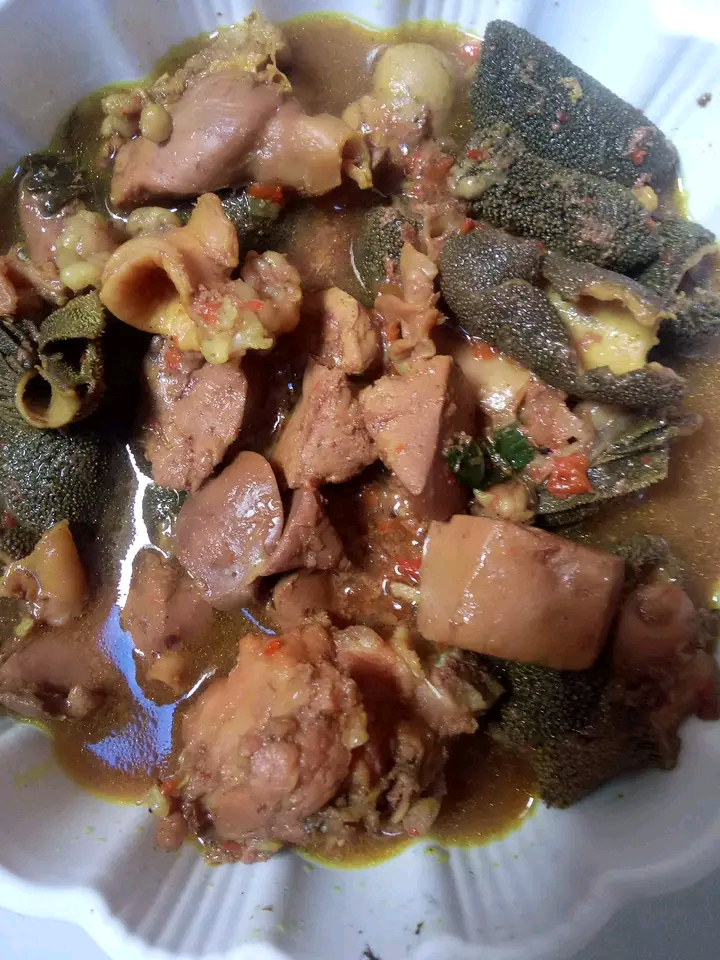
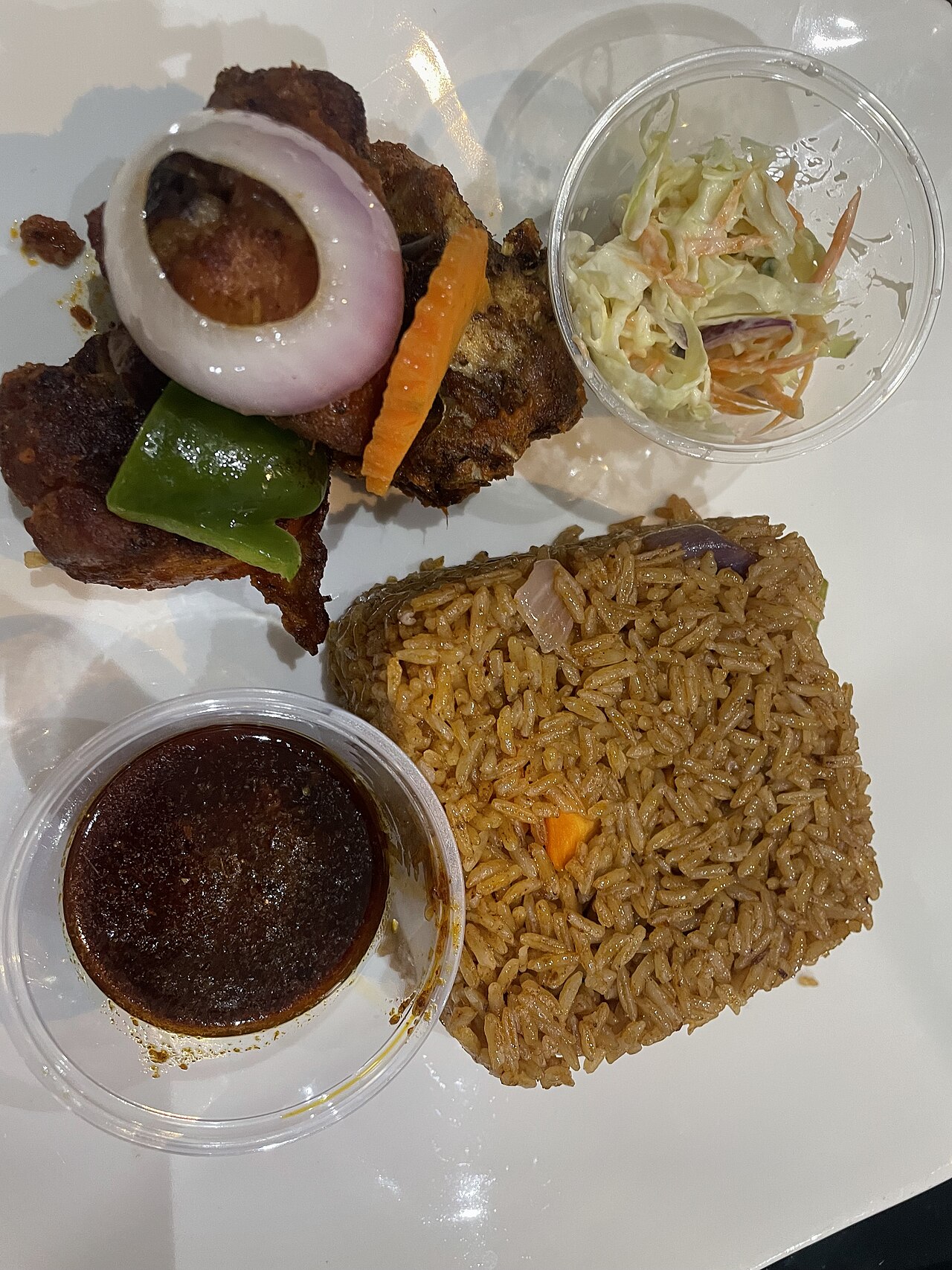
Traditional Nigerian meals are often nutrient-dense, communal, and built around soups, stews, swallows, rice dishes, and proteins. On GLP-1 treatment, many people find that meals with a balance of protein, vegetables, and moderate carbohydrates are better tolerated.
Dishes that are often easier to manage include:
- Vegetable-rich soups
- Fish-based stews
- Grilled or lightly stewed meats
- Beans and lentils
- Moderate portions of rice
- Lighter swallows

Meals that are very oily, very late, or very large are more likely to provoke nausea, reflux, or discomfort.
This does not mean these foods are forbidden. It means portion tolerance changes.
Portion Experience Shifts
One of the most common changes people report is that the amount of food they want naturally decreases.
A ladle that once felt small becomes sufficient. A full plate becomes overwhelming. Snacking loses appeal. Eating quickly becomes uncomfortable.
These experiences often surprise people, particularly in cultures where finishing food is socially reinforced.
Learning to stop when satisfied becomes one of the most important behavioural adjustments.
Eating Socially and at Events
Nigerian social life is deeply food-centred. Weddings, birthdays, church events, family visits, and celebrations are often built around abundant meals and repeated offers of food.
Many people navigate this by:
- Starting with protein or soup
- Taking smaller first portions
- Eating slowly
- Leaving food unfinished
- Spacing eating across events
- Drinking fluids between bites
The goal is comfort, not compliance.
Your body's feedback matters more than social expectation.
Hunger Versus Habit
Another change many people notice is that hunger becomes quieter, but eating habits remain. The desire to snack out of boredom, stress, or routine can persist even when physical hunger is low.
Recognising this distinction helps prevent discomfort and emotional eating patterns.
When to Seek Medical Care
Seek medical advice if you experience:
- Persistent vomiting
- Inability to tolerate fluids
- Severe abdominal pain
- Signs of dehydration
Medical Notice
This information is educational and does not replace medical advice. Always seek care from a qualified medical professional for concerning symptoms.